🏠 Home
For Oglethorpe County Bee Club
Founding Beta
Founding Beta Β· Oglethorpe County Bee Club

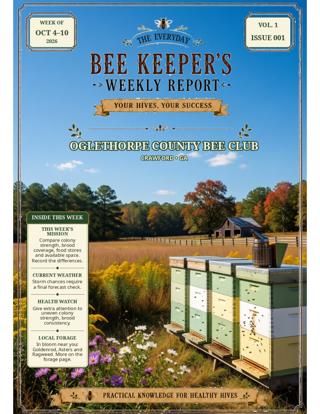
A weekly guide for the everyday beekeeper

Built for your exact location and each of your hives. It changes with the season and with every inspection report you send in.

Every Fridayby email, ready to print
Your exact spotweather and bloom for your apiary
Each hiveits own report card
Sources citedUGA, USDA and more

Start here

A note from Curtis

Thanks for taking a look. Everything here is the real thing: this week's issue for your club, built the same way every member's will be. Flip through the pages, click around, and if something doesn't fit how bees are kept in your area, that's exactly what I want to hear.

β€” Curtis Smith
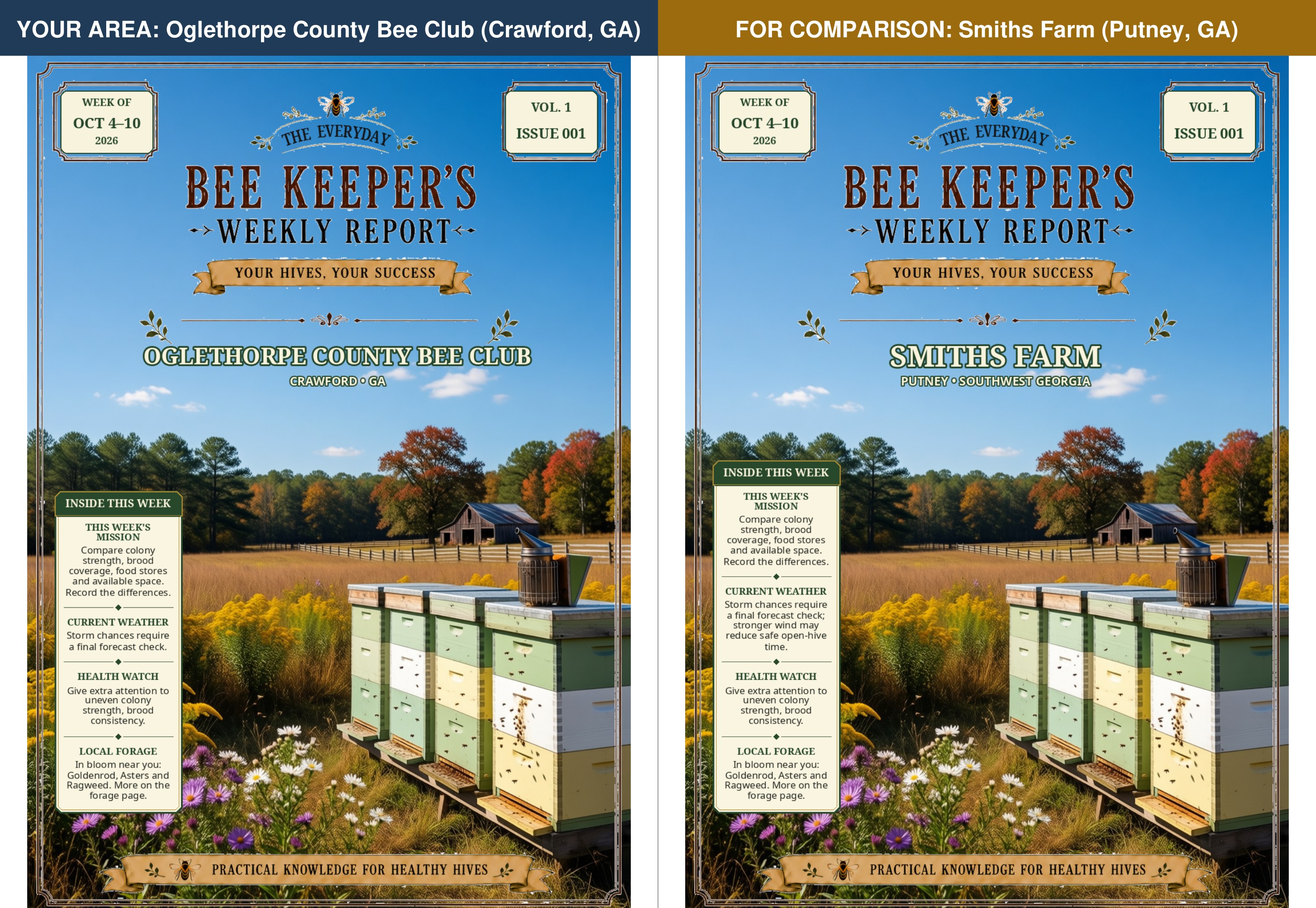
This week Β· club copy for Crawford

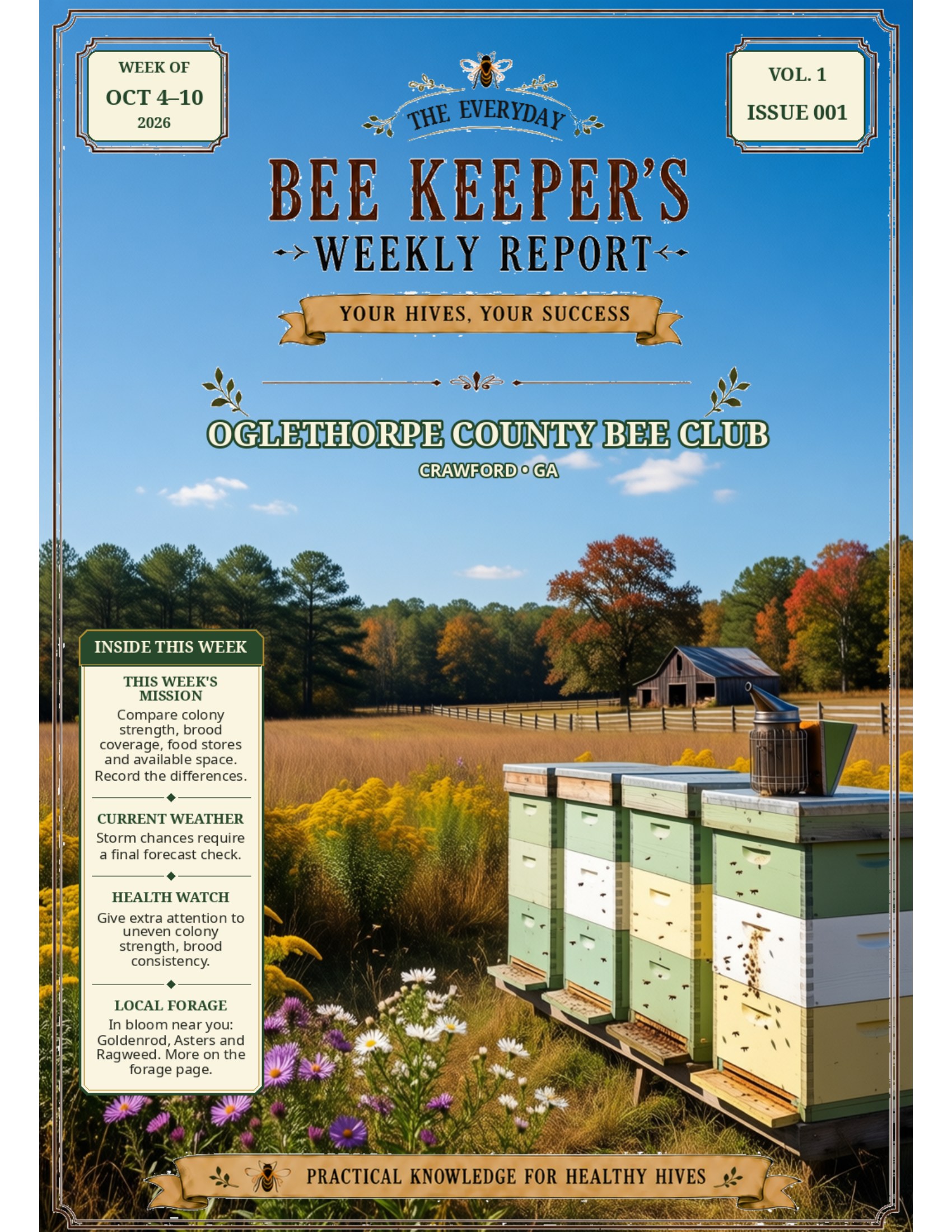
Your club's sample issue

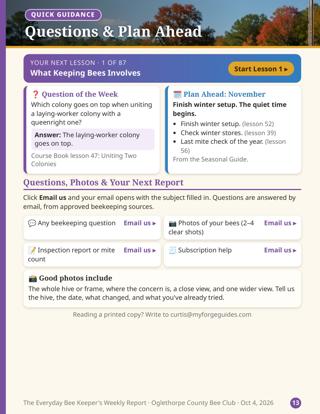
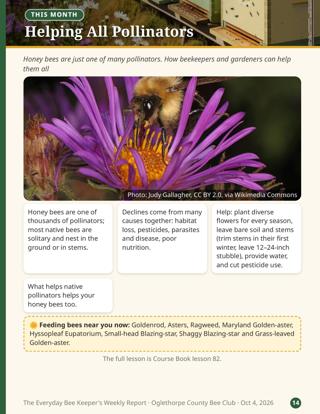
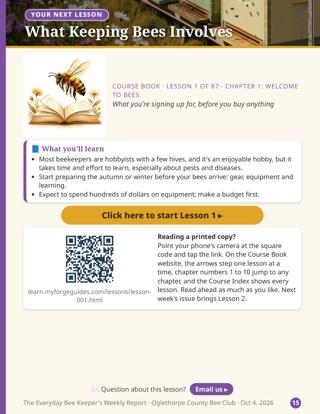
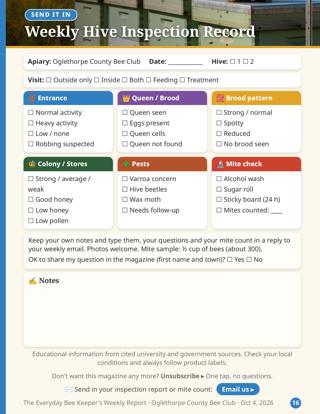
Built fresh every Friday for Crawford, just as a member would get it. Flip through every page. The two hives in it are examples: one healthy, one that needs attention.

Page 1Page 2Page 3Page 4Page 5Page 6Page 7Page 8Page 9Page 10Page 11Page 12Page 13Page 14Page 15Page 16Page 17
Every Friday

What's in every issue

🌀️
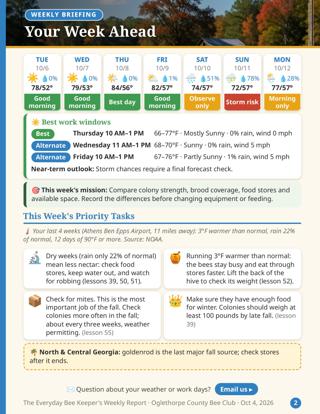
Best days to work your hives

From your local forecast

🌼
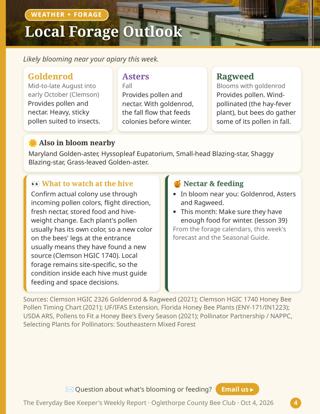
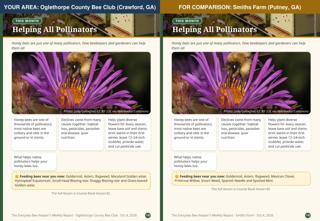
What's blooming near you

Now, and what's coming next

πŸ“‹
A report card for each hive

Mites, queen, brood, stores and more

πŸ”¬
Mite counts checked

With treatments that fit this week's weather
βœ…
A short priority task list

What to do first this week

🩺
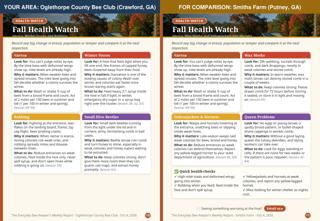
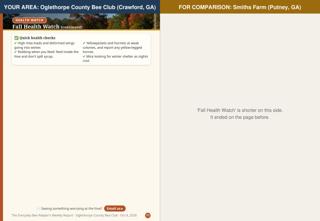
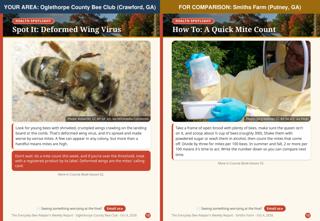
Health Watch & Spotlight
What to watch this season, one pest or disease up close

πŸ—“οΈ
Plan ahead

Next month's jobs and seasonal checklists, hive by hive

πŸŽ“
One lesson a week

87-lesson course, beginner to advanced

πŸ’¬
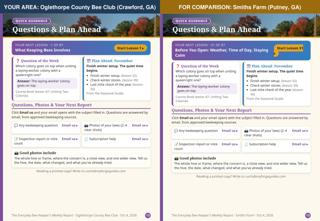
Ask a question

Send photos, get an answer with sources

πŸ“
A printable inspection record

Fill it in at the hive, then send it in

πŸ˜„
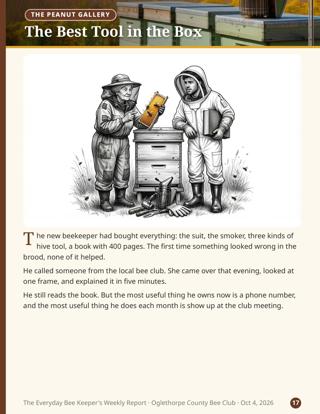
The Peanut Gallery

A beekeeping story to end every issue

πŸ”Ž
Large, easy-to-read print

On paper or on screen

Everything comes from university extension programs, starting with UGA, plus USDA guidance and established research. Every lesson says where it came from.

Also, when it matters: local weather alerts from the National Weather Service Β· "Following up on what you sent" Β· readers' questions and answers Β· what's normal this month
Place to place

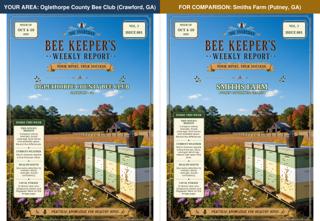
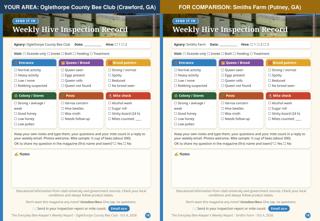
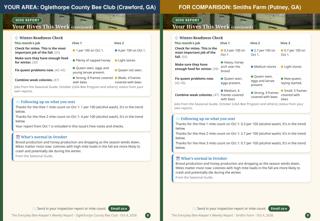
Crawford next to Smiths Farm in Putney

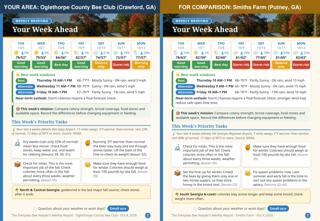
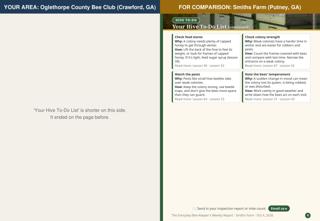
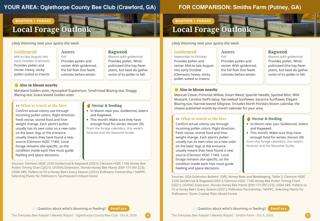
Same week, same example hives. Only the location is different, so everything that changes is because of where the bees are. Grey pages are the same for both.

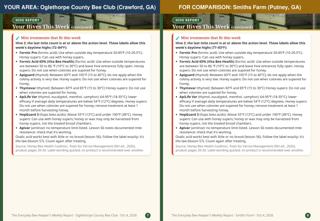
🌀️ Work days

Different forecast, different best days.

🌼 Bloom

What's flowering near each spot.

βœ… Tasks

What to do first, for each place.

Page 1Page 2Page 3Page 4Page 5Page 6Page 7Page 8Page 9Page 10Page 11Page 12Page 13Page 14Page 15Page 16Page 17Page 18
One page per apiary

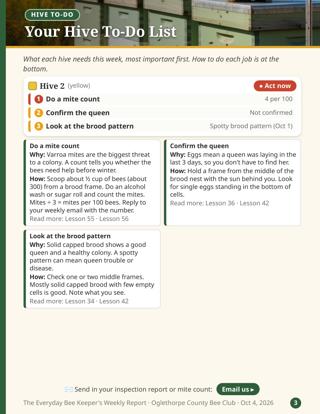
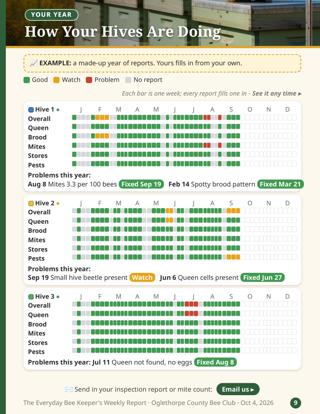
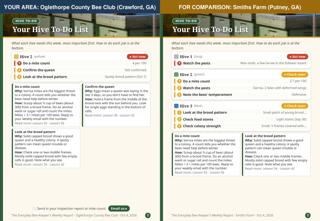
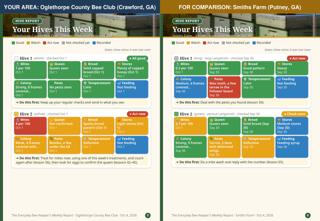
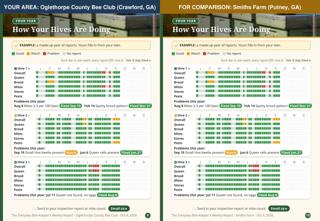
A report card for each hive

If a hive's mite count goes up, next week's issue tells you what to do about it. These are the two example hives from this week's sample.

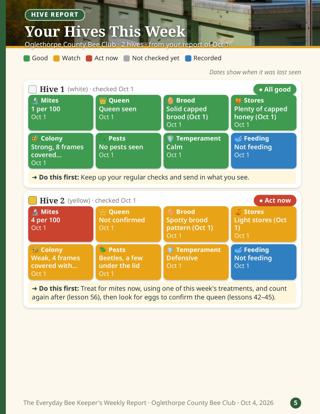
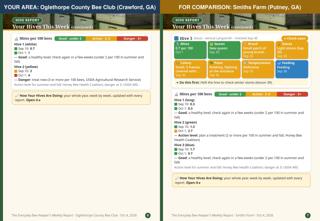
Hive 1 (white)All good

πŸ”¬ Mites1 per 100Oct 2
πŸ‘‘ QueenQueen seenOct 2
πŸ₯š BroodSolid cappedOct 2
🍯 StoresPlenty of honeyOct 2
🐝 ColonyStrong, 8 framesOct 2
πŸͺ² PestsNo pests seenOct 2
πŸ›‘οΈ TemperamentCalmOct 2
πŸ₯£ FeedingNot feedingOct 2
➜ Do this first: keep up your regular checks and send in what you see.

Hive 2 (yellow)Act now

πŸ”¬ Mites4 per 100Oct 2
πŸ‘‘ QueenNot confirmedOct 2
πŸ₯š BroodSpotty patternOct 2
🍯 StoresLight storesOct 2
🐝 ColonyWeak, 4 framesOct 2
πŸͺ² PestsBeetles, a fewOct 2
πŸ›‘οΈ TemperamentDefensiveOct 2
πŸ₯£ FeedingNot feeding yetOct 2
➜ Do this first: treat for mites now, using one of this week's treatments, and count again after.

How your report changes next week's issue

1. You check Hive 2

Alcohol wash: 12 mites in about 300 bees.

2. You send it in

Online form, the paper form, or a reply to your email.

3. Next Friday

Hive 2 turns red, "Do this first: treat," with treatments that fit the week's temperatures.

Colors: green good Β· yellow watch Β· red act now Β· grey not checked yet. A color only appears when somebody looked.

The Course Book

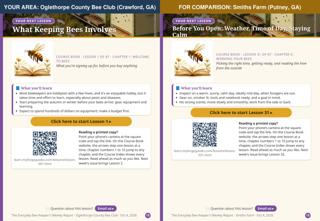
Read a full lesson

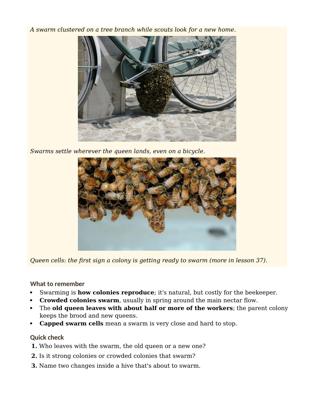
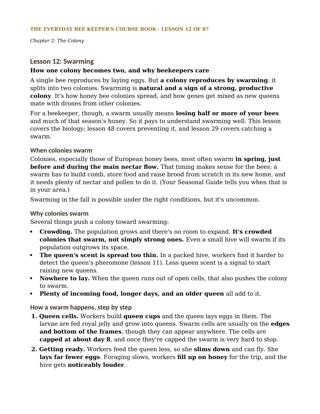
One lesson comes with every issue: 87 lessons, beginner to advanced, covering every topic on UGA's list for the Georgia Certified Beekeeper exam, with a practice exam at the end. Here is a whole one, start to finish: Lesson 12, How Colonies Reproduce: Swarming, a beginner lesson.

Page 1Page 2Page 3Page 4
Founding Beta Members

The offer

Founding Beta Members
Your first year is free.

After that, you keep 50% off for as long as you want it. All we ask is your honest feedback: what you like, anything you would do differently, and anything that doesn't fit how bees are kept in your area.

Regular price: $99.99 a year (2 months free) or $9.99 a month. Founding Beta Members: first year free, then half of that.

Become a Founding Beta Member
Now

Look over your club's sample. Sign up if you like it.

First year

Free. Your issues are built for your own apiary and hives.

After that

50% off for as long as you want it.

Your club, too

Make it your club's magazine

πŸ“…Your meetings and events

Planned: listed in your members' issues.

πŸ‘₯Club rate: $7.99 a month or $79.99 a year

When 5 or more members of your club subscribe, each pays $7.99 a month or $79.99 a year instead of $9.99 or $99.99. Tip for presidents: the first few members start at the regular price; once your club reaches 5, everyone switches to the club rate and saves.

πŸ“£Club News board

Planned: clubs post their own notices.

Planned Β· how it could look in your members' issues

πŸ“… Oglethorpe County Bee Club

Meetings: 3rd Monday of the month at 7pm Β· Farm Bureau, 925 Athens Road, Crawford GA

From the Georgia Beekeepers Association club directory.

About two minutes

Sign up

πŸ“ Use my location

BeginnerA season or twoSeveral seasons+

One last thing: our reports are friendly, well-sourced advice, but bees are living animals and nobody can promise results. Please open the short notice below, then check the box.

πŸ“„ Read the notice (about 1 minute)

Please read: educational information only. The Everyday Bee Keeper's Weekly Report shares beekeeping information drawn from cited university, extension and government sources, such as University of Georgia Cooperative Extension, Auburn/Alabama Extension, University of Florida IFAS, Penn State Extension and the USDA. These organizations do not review or endorse this magazine.

Bees are living animals. Weather, pests, disease, forage, chemicals and hive conditions we can't see all affect your colonies, and colonies can weaken or die even when good practices are followed. We do not guarantee any result. By using this information you agree that you are responsible for your own hives and decisions, and that the publisher of The Everyday Bee Keeper's Weekly Report is not liable for colony losses, stings, property damage or other outcomes.

Always follow product labels and your state's laws, and contact your county extension office or state apiary inspector about problems with your own hives.

Open the notice above to unlock this box.

Comes straight to Curtis. No account, no password. Your exact location is used only to build your issue.

What happens next

  1. Curtis confirms by email.
  2. Your first issue arrives Friday, built for your own apiary.
  3. Send in your inspections; your report cards follow your hives.
  4. Tell us what you like and what to change.
Questions

Good to know

Do I need an account or password?

No. Your personal link knows who you are.

Where does the advice come from?

University extension programs (UGA first), USDA and established research. Every lesson cites its source.

How do I send in my inspections?

By the online form, the paper form in each issue, or a reply to your weekly email.

Can I stop any time?

Yes, no obligation. A monthly subscription stops whenever you say. A yearly subscription runs to the end of the year you paid for, then stops. Founding Beta Members pay nothing the first year.